Case Study

How a 7-location brewery used MustHaveMenus + Toast to turn menu updates into a one-person, one-minute job.

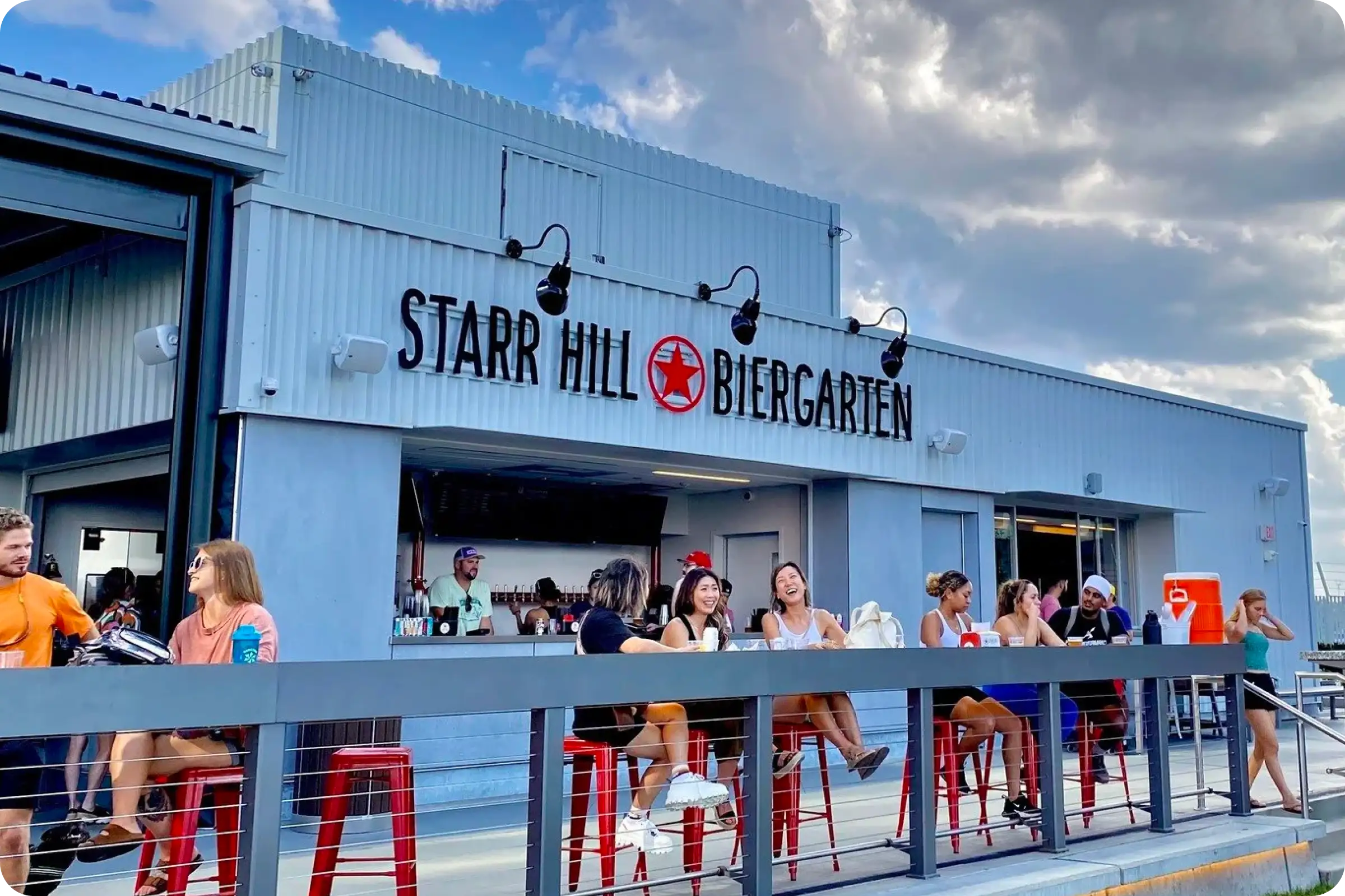
starr hill location

About Starr Hill Brewing

Starr Hill Brewing is a Virginia-based craft brewery with 7 taproom locations and 21 digital displays. Brian, the Director of Operations, oversees a team that manages rotating beer menus, seasonal food offerings, event signage, and branded display content across every location — all while keeping multiple channels accurate, synchronized, and on-brand.

star hill pint

The Challenge

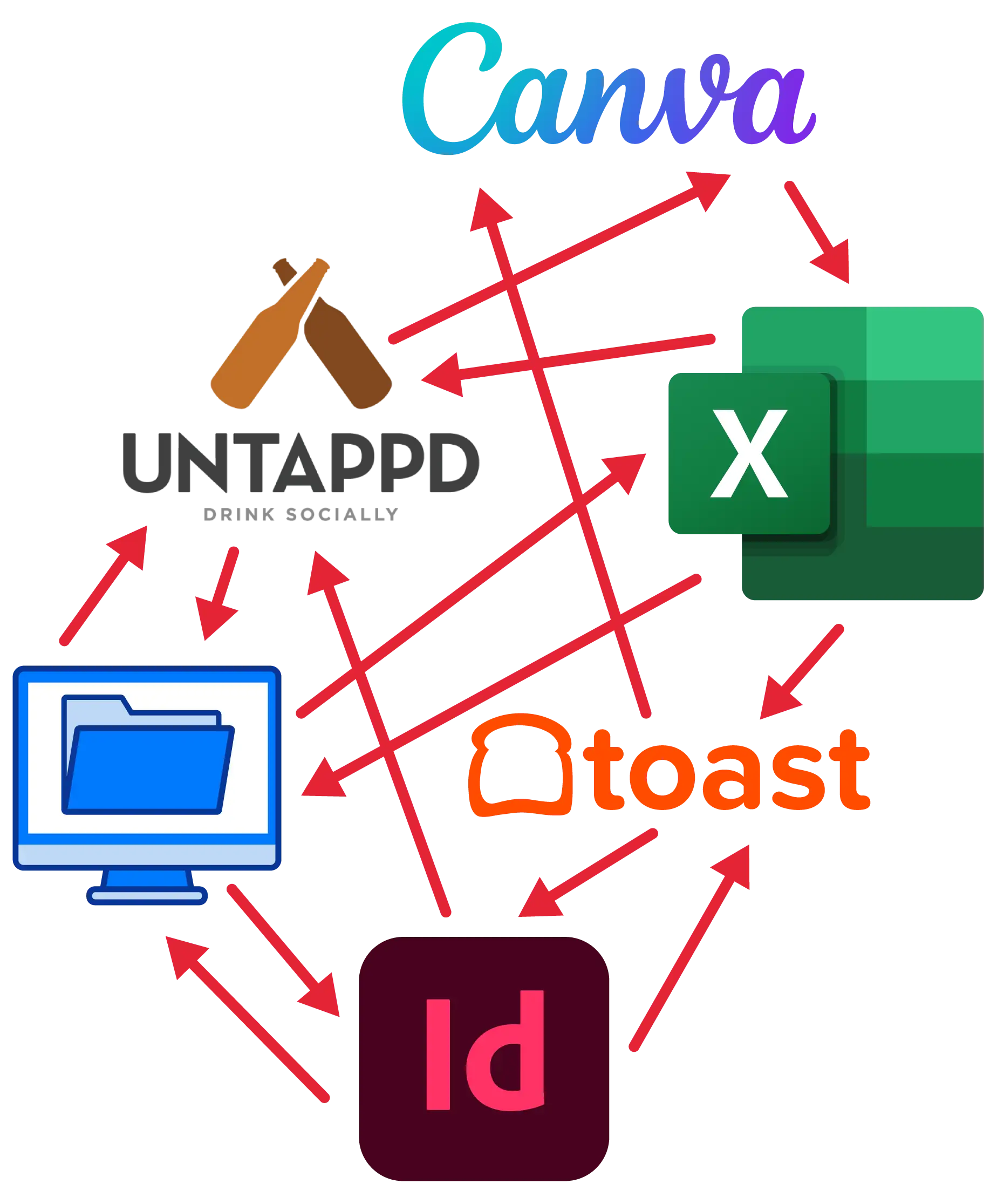
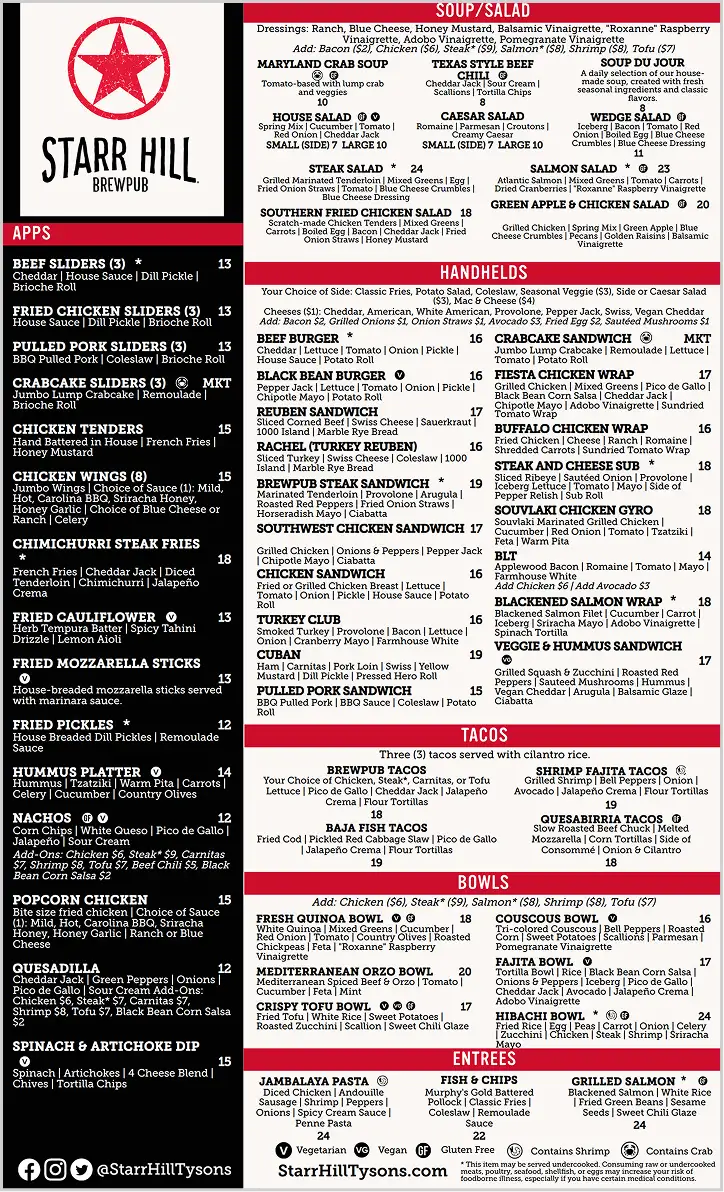
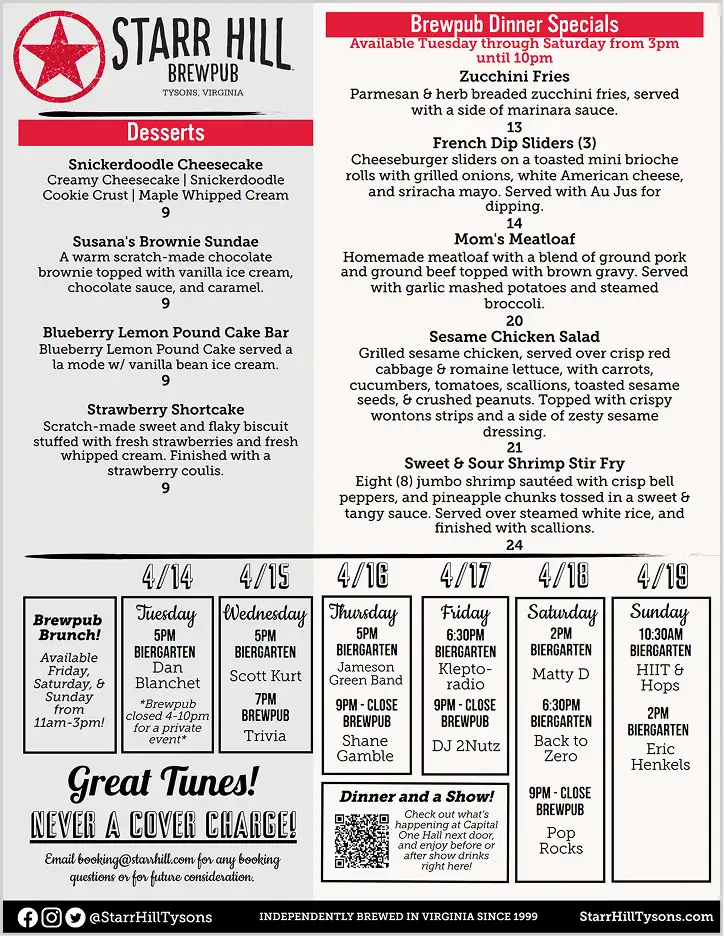
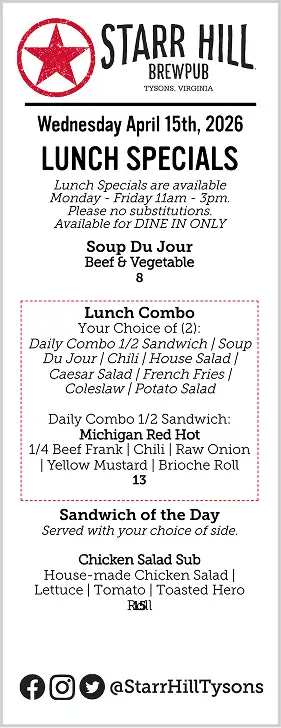
Before MustHaveMenus, Starr Hill's menu management was a patchwork of tools: Canva, the Adobe Suite, Untappd, spreadsheets, and thumb drives. Every menu change meant manually re-entering or reformatting the same information across multiple systems. Digital beer menus were maintained separately from print, and neither was reliably in sync with what lived in Toast.

In a fast-paced taproom environment where the team wears many hats, this created constant exposure to outdated pricing, typos, and conflicting information across channels. When a keg kicked or a menu changed, the ripple effect was significant — and the risk of guests seeing something inaccurate was real.

The deeper problem was structural: there was no single source of truth. Toast held the most accurate item and pricing data, but there was no way to push that data cleanly into print or digital menus. Every update required parallel work in parallel tools, and the more channels you needed to update, the more opportunities there were for things to fall through the cracks.
marketing tools used for menu updates

The Solution: Toast as the source of truth

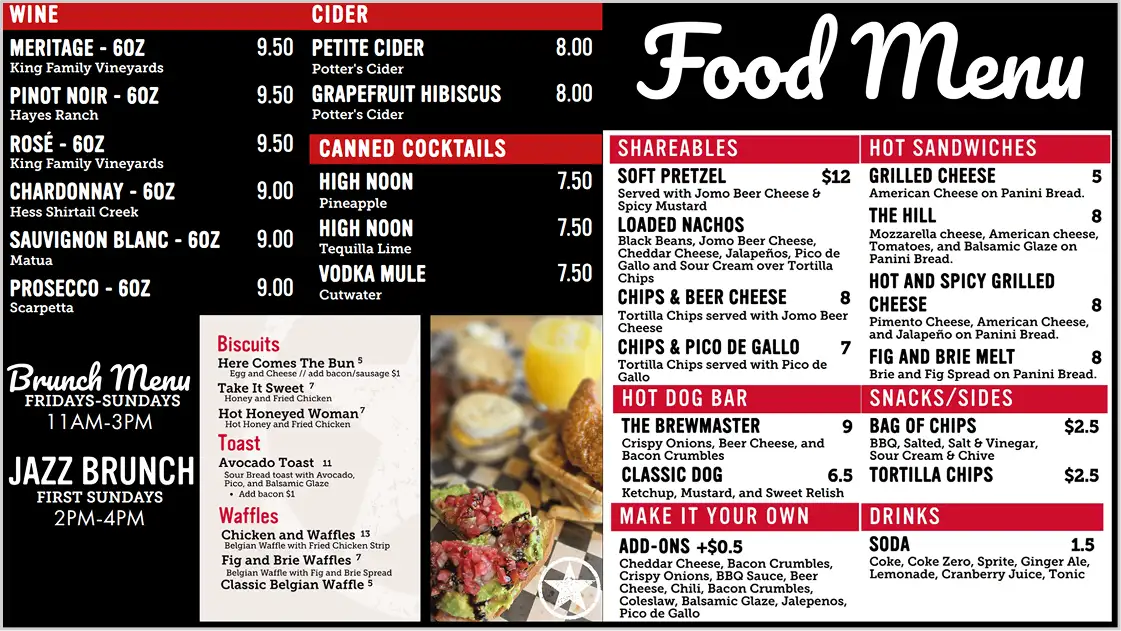
Starr Hill's implementation of MustHaveMenus centers on a direct integration with their Toast POS. Rather than re-entering menu data into a separate design tool, item names, descriptions, and pricing flow from Toast directly into MustHaveMenus templates — eliminating redundant data entry and the errors that come with it.

This means that when something changes in Toast, the update is available in MustHaveMenus immediately. Staff can refresh their templates, push updated content to digital screens, and download print-ready files — all from the same platform, all drawing from the same source. For a brewery with 7 locations and menus that rotate frequently, this is a meaningful reduction in both labor and risk.

Implementation: Solving the Print Timing Problem

One of the most valuable workflows Starr Hill developed was a solution to a problem every multi-channel restaurant operator knows well: how do you coordinate a menu change across print, digital, and POS without everything going live at different times?

Print menus are inherently a planning tool. To produce one, you have to commit to exactly what's on the menu — every item, every price, every description. That process naturally forces alignment between marketing and operations, and the resulting document becomes a shared reference point that both teams can review and approve before anything goes public.

Starr Hill leaned into this dynamic by using deep copies inside Toast to build out future menu versions in advance, without disrupting the live POS. They would pull that staged data into MustHaveMenus, finalize the print design, and get internal sign-off — all before the change went live anywhere. When the time came to launch, the print file was already done, the digital templates were already updated, and the POS change was ready to publish. Everything went live together.

This approach transformed what had been a stressful, error-prone scramble into a repeatable, coordinated process. It's a model that any Toast-integrated restaurant can replicate.

toast logo
 
Source of Truth
user logo
1 Person
Labor Required
one minute
1 Minute
Time to Update

Workflow Today

Menu management at Starr Hill is now fluid and decentralized. Location-level operators, managers, and even bartenders can make updates directly when needed. When a keg kicks, the workflow is straightforward: update Toast, refresh the design in MustHaveMenus, push to digital screens, download the print file, and move on — often in under a minute for beer menu changes.

Brian emphasized that the platform is easy to learn and easy to teach, which matters in hospitality where team skill sets vary widely. The team also relies on MustHaveMenus to keep layouts visually clean and consistent even as item counts and spacing shift across menus.

Results & Operational Improvements

Since implementing MustHaveMenus with Toast, Starr Hill has achieved stronger consistency across every menu channel — not by adding process, but by removing the redundant work that made consistency so hard to maintain.

The team no longer re-enters data. They no longer rely on outside designers for routine menu changes. They no longer worry about what happens when key people are out. Brian identified the biggest wins as peace of mind, stronger process consistency, easier training, more creative flexibility, and confidence that what guests see is always accurate.

ROI Summary

  • white check No more menu retyping
  • white check Toast is the single source of truth
  • white check Beer menu updates in under a minute
  • white check No outside designers needed
  • white check Full food menu overhauls in approximately 4 hours
  • white check Easy to train
  • white check All channels go live together
Brian Griffin

“MustHaveMenus + Toast has been a game changer for us. It gives us the flexibility to stay creative without needing formal design training, and it's easy to learn, easy to teach, and gives us real peace of mind. It's become a one stop shop that helps us keep everything accurate, repeatable, and on brand, paired with our Toast POS.”

Brian Griffin

Director of Operations, Starr Hill Brewing